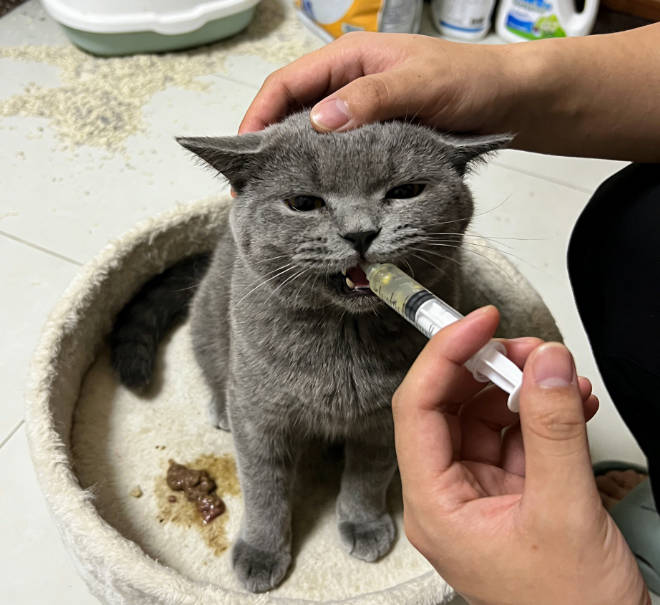
Recently, we have shared several articles about internal parasites in cats, many of which are common causes of feline diarrhea. Among the four major parasites that frequently lead to chronic diarrhea in cats—Giardia, Tritrichomonas foetus, Coccidia, and Cryptosporidium—today’s focus is Cryptosporidium infection.
Compared with Giardia and Tritrichomonas, Cryptosporidium is relatively less common. Because of limited accessible information, some cat owners become especially anxious when their cats test positive. This article is intended as a detailed reference to help owners better understand this condition.
What Is Cryptosporidium?
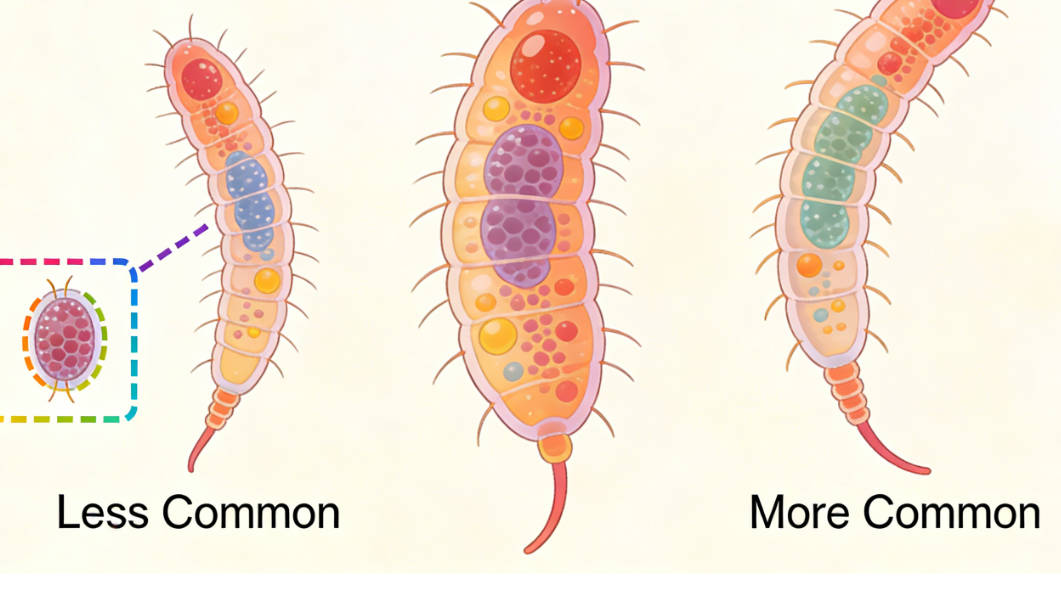
Cryptosporidium is a protozoan parasite belonging to the phylum Apicomplexa. It is a single-host parasite with a direct life cycle and is extremely small, living inside host cells. Cryptosporidium is widely distributed and can colonize the microvilli of small intestinal epithelial cells in many mammals. Once infection occurs, the condition is referred to as cryptosporidiosis.
Cryptosporidium can be broadly divided into two main types:
This species primarily infects cats and is considered one of the important pathogens causing feline intestinal disease. Transmission to humans is generally limited to individuals with compromised immune systems, such as those with immune-related conditions or long-term immunosuppressive therapy.
- 1. Cryptosporidium felis
This species can infect a wide range of hosts, including humans, and can also infect cats.
- 2. Cryptosporidium parvum
Why Do Cats Become Infected with Cryptosporidium?
Cats become infected mainly through exposure to Cryptosporidium oocysts. Common routes include:
Oral Transmission (Primary Route)
- Contaminated food and water: Cats may become infected by consuming food or water contaminated with oocysts. Outdoor cats may ingest contaminated rainwater, stream water, or food exposed to feces from infected animals, which is why rescued or stray cats are more frequently affected. Indoor cats can also be infected if food or water is improperly stored and becomes contaminated.
- Licking behavior: Cats habitually groom themselves and lick objects. Contact with contaminated items such as bedding, toys, or litter boxes can lead to ingestion of oocysts during grooming.
Direct Contact Transmission
- Contact with infected animals: In multi-cat environments such as shelters, rescues, or multi-pet households, shared litter boxes, grooming, or close contact can facilitate transmission. Cats may also be exposed through contact with other animals capable of carrying Cryptosporidium.
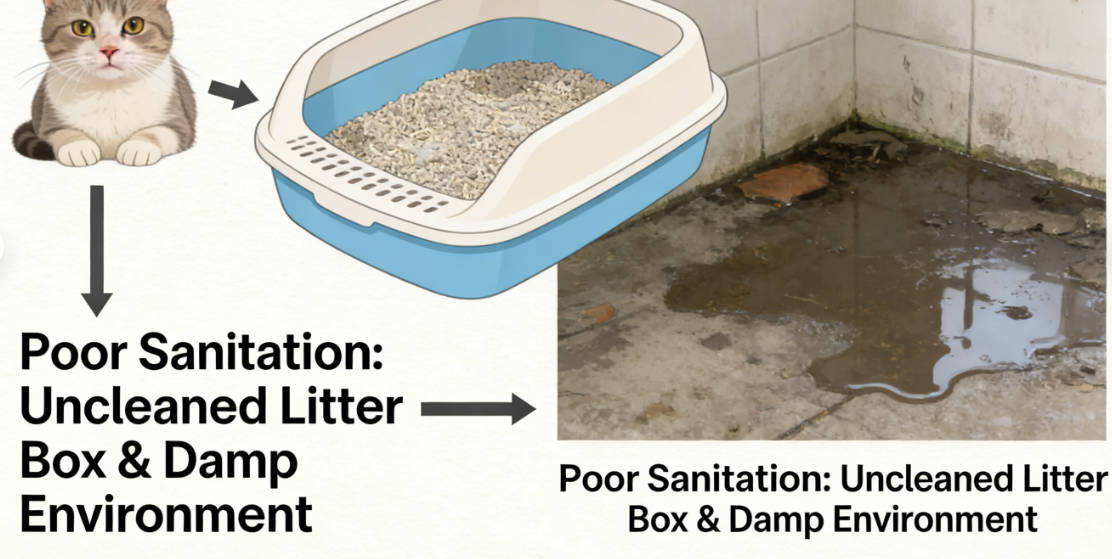
Poor Environmental Hygiene
- Fecal contamination: Infrequently cleaned litter boxes allow oocysts to persist in the environment for extended periods, increasing infection risk.
- Damp environments: Oocysts survive longer in moist conditions, such as damp bedding or poorly ventilated spaces, increasing transmission potential.
Complex Outdoor Environments
- Contaminated soil and grass: Outdoor cats may encounter oocysts in soil or grass contaminated by feces from other animals.
- Exposure to animal feces: Contact with feces from birds, rodents, or other wildlife may increase infection risk if those animals are carriers.
Immune System Factors
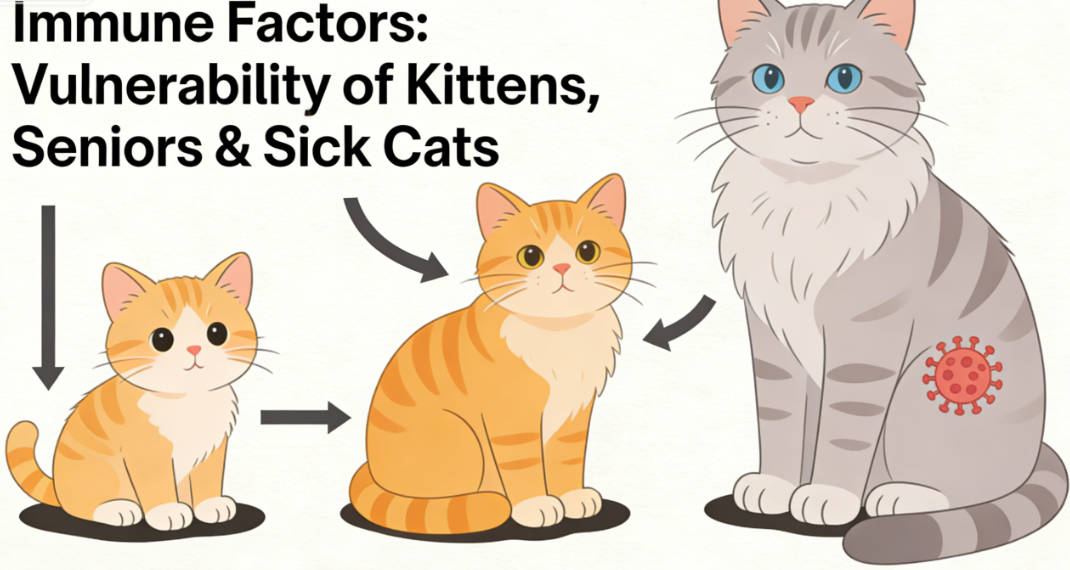
- Kittens and senior cats: Kittens have immature immune systems, while older cats experience immune decline, making both more susceptible.
- Cats with underlying conditions: Cats with conditions that affect immune function may be more vulnerable to infection.
What Are the Main Symptoms After Infection?
Cryptosporidiosis primarily affects the digestive system. Co-infection with Giardia or Tritrichomonas may occur and can worsen symptoms.
Digestive Symptoms
- Reduced appetite and weight loss: Infected cats may eat less and gradually lose weight due to impaired nutrient absorption. In kittens, growth delays may be observed.
- Vomiting: Some cats experience occasional or frequent vomiting caused by intestinal irritation.
- Diarrhea: This is the most prominent symptom. Stools may become soft, loose, or watery, with varying frequency. Color changes such as yellow, green, or pale stools may occur due to impaired intestinal absorption.
Overall Condition Changes
- Lethargy: Cats may appear less active, sleepy, and uninterested in their surroundings.
- Dehydration: Persistent diarrhea or vomiting can lead to dehydration, characterized by reduced skin elasticity, sunken eyes, and dry mucous membranes.
Diagnosis and Management
How Is Cryptosporidium Infection Identified?
- Observation at home: Monitoring stool consistency, appetite, behavior, and hydration status can provide early clues.
– Fecal smear examination may detect oocysts but has limited sensitivity.
– PCR testing can identify Cryptosporidium DNA with high accuracy and differentiate species.
- Veterinary testing:
Management Options
- No treatment required in many cases: Most cats experience self-limiting infections and recover without medication.
- Medical support: In certain cases, veterinarians may consider medications such as azithromycin or tylosin based on individual assessment.
- Supportive care: Cats with severe diarrhea or dehydration may require fluid therapy and nutritional support.
How to Prevent Cryptosporidium Infection
Environmental Cleaning and Hygiene
- Litter box care: Clean daily and fully replace litter weekly. Wash and disinfect litter boxes regularly using pet-safe disinfectants.
- Living environment: Regularly clean bedding, toys, food bowls, and water bowls. Ensure proper ventilation after disinfection.
Outdoor Activity Precautions
- Avoid areas with poor sanitation or visible animal feces.
- Clean paws and fur after outdoor exposure.
Food and Water Safety
- Provide clean, filtered, or boiled drinking water.
- Store food properly and prevent contamination. Practice good hygiene when preparing homemade food.
Individual Cat Management
- Reduce contact with potential infection sources, especially in multi-pet households.
- Support immune health through balanced nutrition, regular health checks, and appropriate physical activity.
Conclusion
Cryptosporidium infection is generally not a major cause for alarm. Most cats recover naturally without treatment. Providing high-quality nutrition, maintaining hygiene, and monitoring your cat’s condition are often sufficient. We hope this article helps reduce unnecessary worry and supports informed, calm care for your cat.
Comments (50)
Pet Lover
Great article! Very informative for pet owners.
Cat Parent
Thank you for sharing this helpful information!