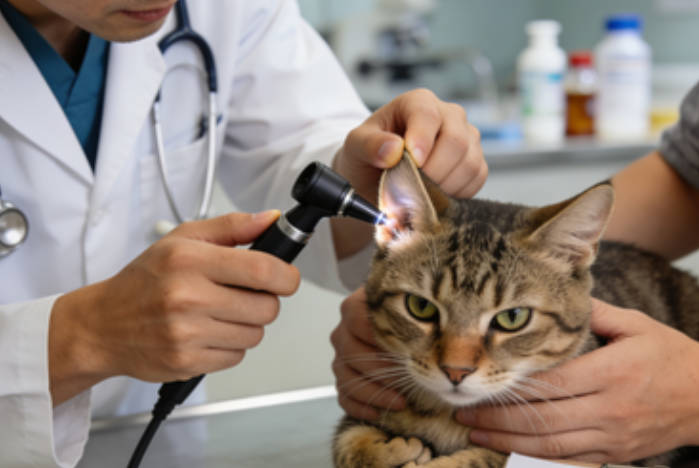
Some cat owners may notice that their cat starts scratching its face more frequently after moving to a new home or when introducing additional pets to the household. In such cases, this behavior could indicate Feline Orofacial Pain Syndrome (FOPS). Similar to how humans can experience headaches under stress, FOPS is a type of neuropathic pain triggered by stress in cats, representing a serious consequence of heightened anxiety. Today, we explore the details of FOPS and what it means for your cat.
What is Feline Orofacial Pain Syndrome (FOPS)?
FOPS is a neuropathic pain disorder primarily characterized by chronic facial and oral discomfort. Cats with FOPS often display behaviors such as excessive licking, chewing at their face (especially using their front paws), drooling, facial muscle twitching, and in severe cases, refusal to eat or groom. Typical symptoms include:
- Pain localized around the mouth, gums, tongue, or facial skin.
- Behavioral changes such as over-grooming, head shaking, or scratching around the ears.
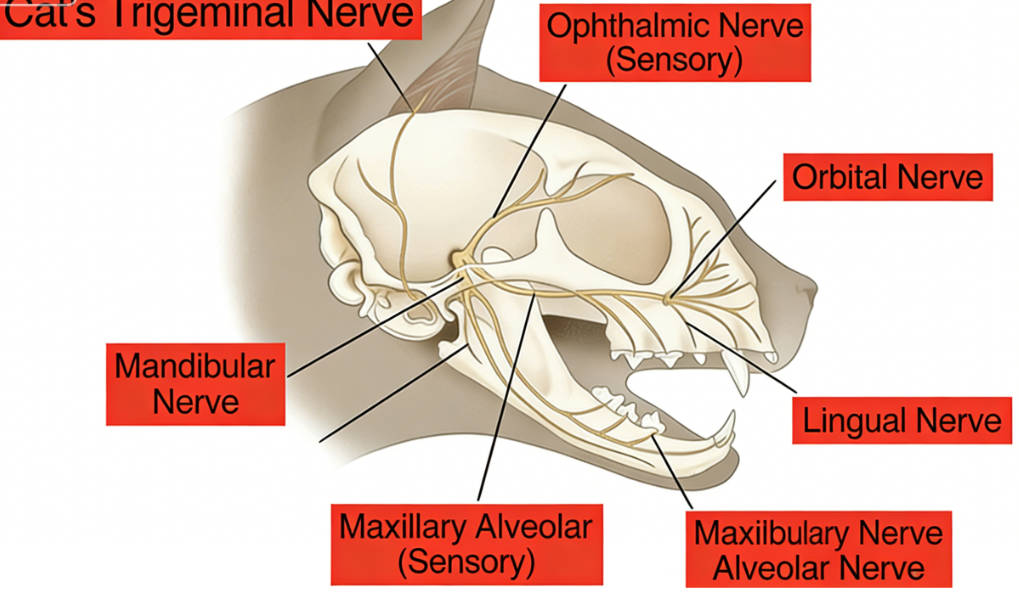
- Possible association with trigeminal nerve (facial sensory nerve) dysfunction.
Causes of FOPS
While the exact causes of FOPS are not fully understood, research suggests several contributing factors:
- 1. Neurological Mechanisms:
- Trigeminal nerve dysfunction: Studies indicate that cats with FOPS have abnormal neuronal activity in the trigeminal ganglion, possibly linked to demyelination or inflammation.
- Central sensitization: Pain signals can be amplified within the central nervous system (brainstem and spinal cord), making cats more sensitive to pain.
- 2. Oral Health Triggers:
- Tooth resorption (TR): Approximately 50% of cats with FOPS also suffer from tooth resorption. The damage to the tooth roots may stimulate the trigeminal nerve endings, contributing to pain. [See previous article: 'What is Tooth Resorption? Why Do Cats Lose Teeth?']
- Periodontal disease or oral infections: Chronic inflammation releases pain-inducing substances.
- 3. Genetic Predisposition:
- Certain long-haired cat breeds may have genetic variations that increase sensitivity to pain.
- 4. Environmental Stress:
- Stressors such as moving to a new home or introducing additional pets may activate the sympathetic nervous system, intensifying pain perception.
Diagnosis and Treatment
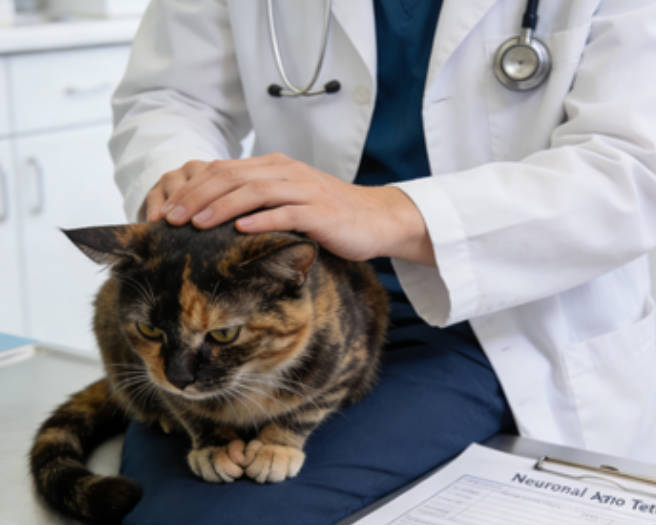
Currently, no definitive test exists for FOPS. Diagnosis relies on an experienced veterinarian evaluating clinical signs while excluding other potential causes of facial or oral discomfort. Potential examinations include physical palpation, neurological assessment, blood tests, and imaging such as MRI.
Approximately half of FOPS cats also suffer from tooth resorption, so dental examinations are essential. Managing environmental stressors, like crowded multi-cat households, is also crucial for prevention and treatment.
Treatment may involve:
- 1. Medications: Neuropathic pain medications prescribed by a veterinarian based on the cat's specific condition.
- 2. Addressing underlying dental issues:
- Extracting affected teeth to reduce trigeminal nerve stimulation.
- Professional cleaning and antibiotics to control periodontal infections.
- 3. Behavioral and environmental management:
- Enrichment to reduce stress, such as providing hiding spots and interactive toys.
- Using protective collars to prevent self-inflicted injuries.
Prevention:
- Regular dental check-ups: Annual dental X-rays help detect tooth resorption or periodontal disease early.
- Stress management: Maintain a stable environment and avoid sudden changes in routine or the rapid introduction of new pets.
Conclusion
FOPS can be triggered by both genetic and environmental factors, often surfacing when cats experience high stress. In severe cases, cats may injure themselves while scratching due to intense pain. Identifying triggers and reducing stress is essential for managing FOPS. In some cases, veterinary intervention with appropriate medications or dental treatment may be necessary to help cats navigate the painful period more comfortably. By understanding FOPS, cat owners can provide better care and prevent long-term suffering.
Comments (50)
Pet Lover
Great article! Very informative for pet owners.
Cat Parent
Thank you for sharing this helpful information!